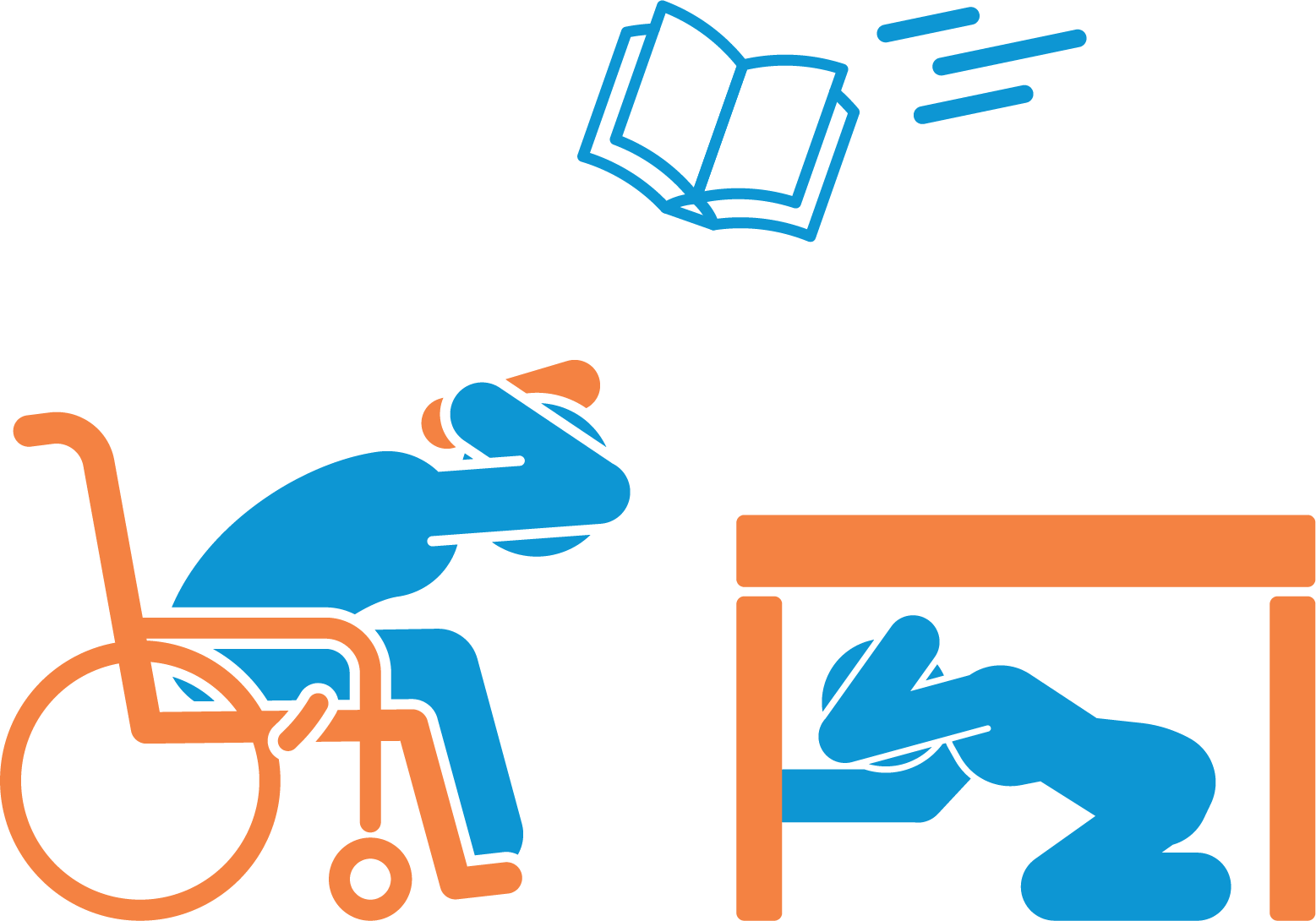

Earthquake Safety
Great ShakeOut Earthquake Drill
Are You Ready to ShakeOut?
Millions of people live and work in earthquake-prone regions of the United States. A major earthquake could cause unprecedented devastation for one of these regions but also affect the economy of the entire country. What we do now, before a big earthquake, will determine how well we survive and recover.
Each year, Great ShakeOut Earthquake Drills involve millions of participants worldwide through broad-based outreach programs, media partnerships, and public advocacy by hundreds of partners. The drill is held annually on the third Thursday of October. We will also be testing the emergency broadcast alert systems and encouraging all to participate in practicing Drop, Cover, Hold!
Visual Guide: Drop, Cover, and Hold!
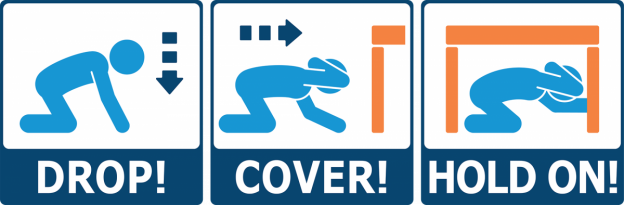
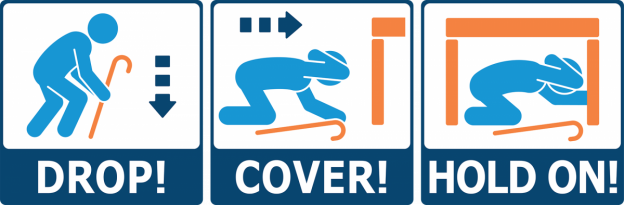
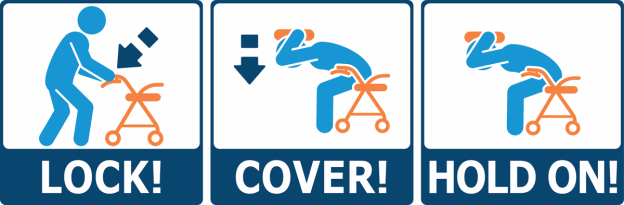
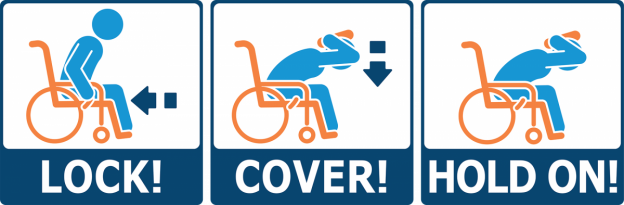
A key aspect of the ShakeOut is the integration of comprehensive science-based earthquake research and the lessons learned from decades of social science research about why people get prepared. The result is a “teachable moment” on par with having an actual earthquake (often followed by increased interest in getting ready for earthquakes). ShakeOut creates the sense of urgency that is needed for people, organizations, and communities to get prepared, to practice what to do to be safe, and to learn what plans need to be improved.
Not just any drill will accomplish this; it needs to be big. It must inspire communities to come together. It must involve children at school and parents at work, prompting conversations at home. At the minimum practice one of the recommended protective actions listed at ShakeOut.org/dropcoverholdon. It is only a one-minute commitment for something that can save your life.
For more information, visit ShakeOut.org.



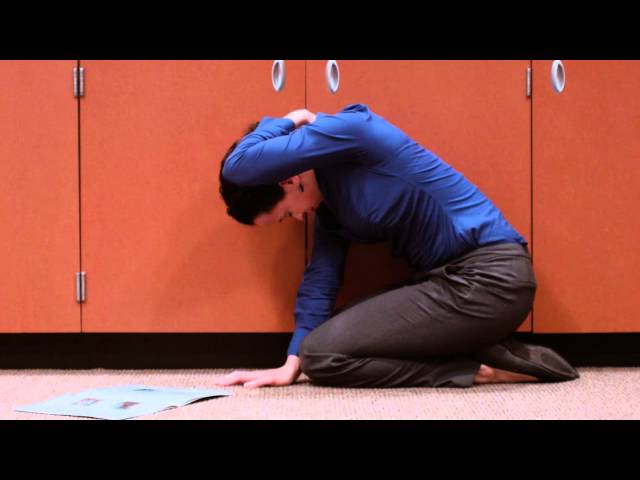
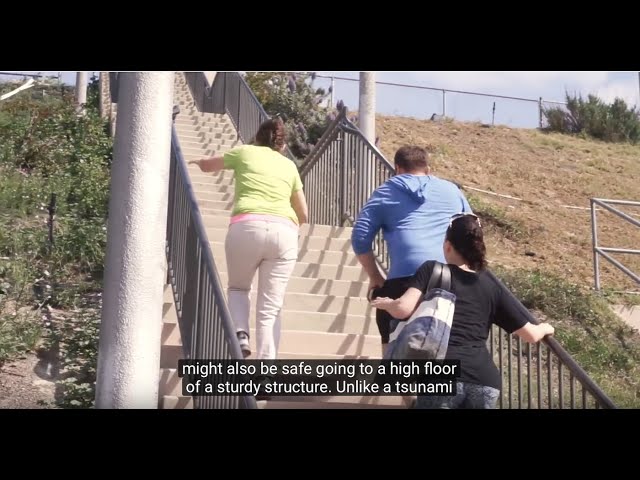


Watch and learn how to stay safe during any situation with the Earthquake Safety Video Series.
BEFORE the next big earthquake we recommend these four steps that will make you, your family, or your workplace better prepared to survive and recover quickly: |
|
|
|
Step 1: |
|
|
Step 2: |
|
|
Step 3: |
|
|
Step 4: |
DURING the next big earthquake, and immediately after, is when your level of preparedness will make a difference in how you and others survive and can respond to emergencies: |
|
|
|
Step 5: |
|
|
Step 6: |
AFTER the immediate threat of the earthquake has passed, your level of preparedness will determine your quality of life in the weeks and months that follow: |
|
|
|
Step 7: |